Grocery on a Budget with Checklist
Grocery on a budget becomes easier with a practical grocery saving checklist that helps reduce impulse buying, lower grocery bills, and grow long term savings
Grocery on a Budget: How a Simple Checklist Can Save You Hundreds
Have you ever gone grocery shopping thinking you only needed a few essentials, only to come home and realize your budget disappeared? You’re not alone. Shopping can feel overwhelming, and without a plan, it’s easy to lose control of your spending.
When you walk into a grocery store, nothing is placed there by accident. The first things you usually see are the tempting ones, fresh bakery smells, colorful snack displays, chilled drinks calling your name. By the time you reach the vegetables, your cart already feels half full.
That’s exactly why your Grocery Saving Checklist matters so much.
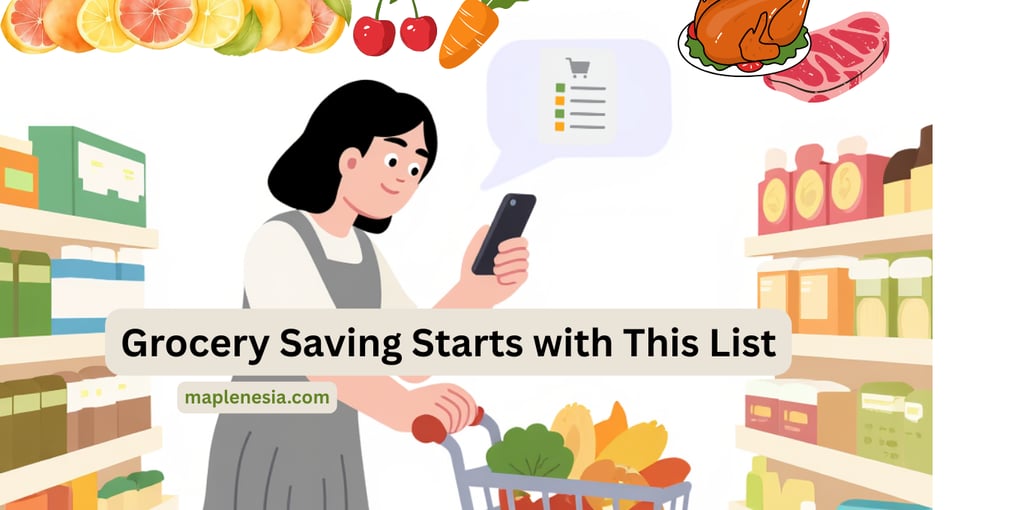
When you already have your list ready, your brain stays focused. You’re not wandering. You’re not reacting to every display or sale sign. You’re moving with purpose.
This one habit alone helped me save $300–$400 every month on groceries, and if it worked for me, it can work for you too, keeping you on track with your grocery on a budget plan.
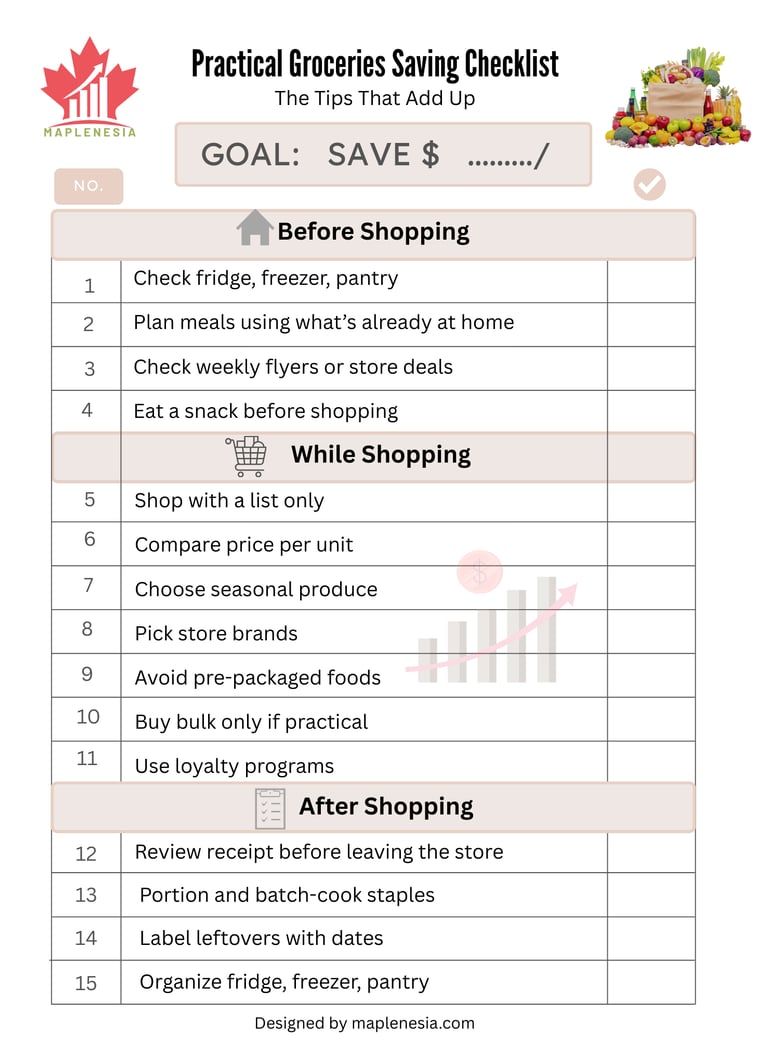
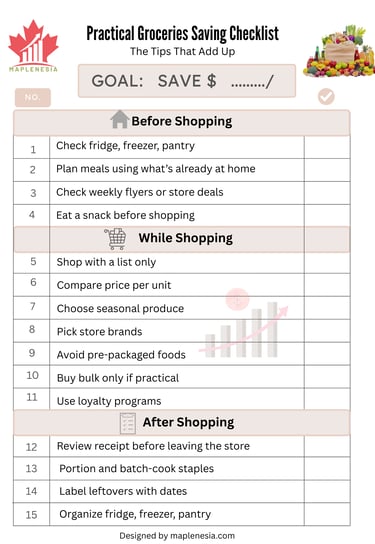
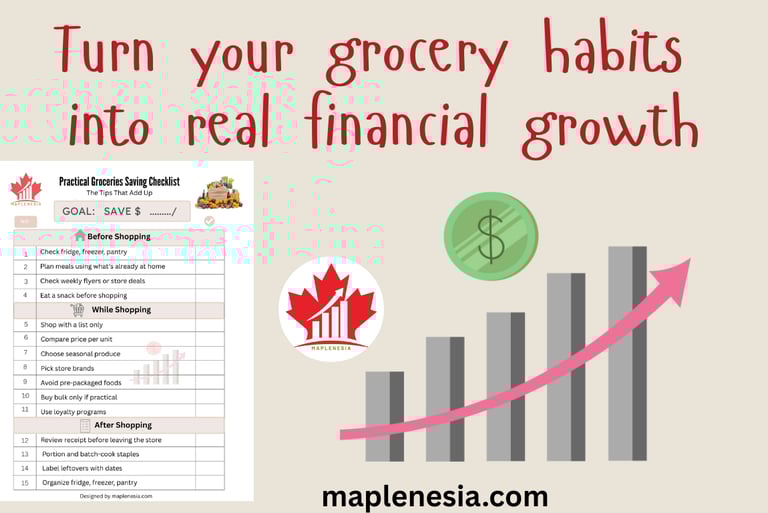
Here’s a 15 practical save money on grocery tips that helped save at least $4000 annually !
That awareness makes it much easier to ignore tempting displays and stick to your grocery on a budget goals.
This is one of those small habits that quietly grows your savings over time.
One Little Habit, Big Impact
Using a Grocery Saving Checklist before you shop is simple but it works. I’ve been using this checklist myself and since then I have been able to stay consistent and confident with my grocery spending.
And for me, it’s not just about groceries. These savings allow me to pay off debt faster and start putting some money into investments. It’s amazing how such a simple tool can grow your savings in the long run. Best of all, it’s practical, easy, and keeps your grocery on a budget habit consistent.
Why don't you grab your pen and start writing your checklist today or print this check list to review before every trip. This simple action will help you stay on track and stick to your grocery on a budget plan.
Why Pre Shopping with a Grocery on a Budget Checklist Works
Walking into a store without a plan is like wandering into a maze blindfolded. Everything catches your attention, sale tags, brightly packaged snacks, things that look too good to pass up. Even experienced shoppers can get distracted.
Taking a few minutes to review it before leaving home is a small habit with a big impact. It helps you:
Stay focused on your grocery goals
Prevent impulse purchases that quietly add up
Make sure your money goes toward what matters most
Each trip becomes easier. Sticking to a grocery on a budget plan becomes almost automatic.
Turning Grocery Savings into Financial Growth
Saving even a modest amount each month adds up over time.
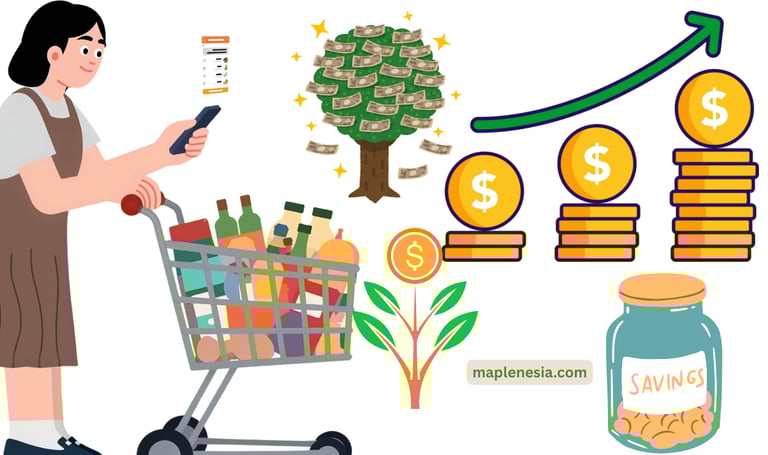
Imagine turning a small habit, checking a list before shopping, into something that helps your money grow and secures your financial future.
This is what makes using the checklist so powerful. It’s not just about saving on food. It’s about creating financial stability, building a safety net, and setting yourself up for long term growth.
Why Controlling Impulse Purchases is Key
Impulse purchases are the sneaky challenge in every store. That extra snack or convenience item might feel small but it quietly adds up.
Your pre shopping checklist helps you control impulses before they happen. A few minutes reviewing your list keeps your priorities clear and allows you to stick to your grocery on a budget plan.
Grocery Checklist Changes Everything
Most overspending doesn’t happen because people are careless. It happens because decisions pile up too fast.
When you walk into a store without something guiding your choices, your brain gets tired. That’s when impulse steps in. Stores are designed around this. Displays, scents, lighting, and placement all quietly nudge you to buy things you didn’t plan for.
A checklist shifts the power back to you. Instead of juggling everything mentally, your grocery on a budget checklist becomes your anchor.
How Grocery Spending is Easy to Slip
Grocery stores are built to trigger impulse behavior. Colors, smells, layouts, and product placement influence your emotions and decision making. Even disciplined shoppers leave with extra items they never planned to buy.
Impulse buying isn’t a personal failure, it’s a psychological response to a highly engineered environment. When you rely only on willpower, you will eventually lose. When you rely on a checklist, you win quietly and consistently.
That’s why the best way to save money on grocery shopping is not just picking the right items, it’s about protecting your decisions before you walk in and sticking to your grocery on a budget routine.
How the Checklist Controls Impulse Buying
Impulse buying starts before you enter the store. It begins with a rushed mind, an unclear plan, and emotional fatigue.
Following your checklist before leaving the house means you enter the store already in control. The store no longer controls you.
This is why the checklist works so well for saving money on groceries. It’s not magic, it’s psychology.
Once you experience this shift, grocery shopping becomes calmer. You walk past tempting items instead of negotiating with yourself. That alone reduces the bill dramatically, keeping your grocery on a budget goals intact.
Grocery Checklist Can Translate Into Real Monthly Savings
Before using my checklist system, groceries felt unpredictable. After using it consistently, my grocery bill stabilized and dropped.
All of that started with a simple checklist habit.
This is why cutting your grocery bills doesn’t start in the store, it starts on paper and sticking to your grocery on a budget plan.
You practice discipline in one area, and it quietly spreads everywhere else. Your checklist becomes a daily practice of self trust and reinforces your grocery on a budget habit.
When groceries are under control, everything else follows. Debt shrinks faster. Emergency funds grow. Investments become possible. Financial confidence builds.
And it all starts with that checklist you follow before each shopping trip.
This little habit can grow your savings and your money in the long run, and it reinforces your grocery on a budget habit every week.
Closing Thoughts
Learning grocery on a budget is about creating stability in one of the most emotional areas of daily life.
It helps you save money on groceries, save on meat, cut your grocery bills, and build the foundation for true financial growth.
And the best part? It doesn’t feel hard once it becomes routine.
It feels calm.
It feels steady.
It feels like progress.
Make this habit part of your routine. If it helped me save $300–$400 every month, it can work for you too while keeping your grocery on a budget plan strong.
Happy Saving!