15 Practical Ways to Save Money on Groceries
Save money on groceries with 15 proven tips to reduce the grocery bill, and keep groceries on a budget .

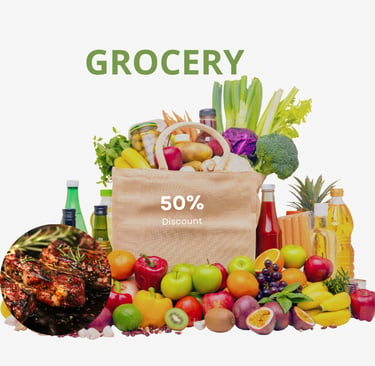
Save money on groceries is a growing priority as prices keep climbing. Essentials like produce, dairy, and meat push totals higher, making grocery trips feel heavier than before.
The good news is that small habits make a big difference. Planning meals, shopping seasonal, and using digital tools help to reduce the grocery bill while keeping groceries on a budget. Loyalty programs, cashback rewards, and promo codes are simple ways to consistently save on groceries.
Together, these strategies show it’s possible to save money on groceries, keep groceries on a budget, and feel more in control of rising costs.
Have you ever wondered how small changes can feel almost like a miracle? Here are 20 practical ways I’ve experienced myself that keep me on budget, cut the grocery bill, and even saved me $400 a month.
Put these steps into action and watch how saving turns into energy, growth, and a smarter way of living, guaranteed!
1. Checking the Fridge and Pantry First
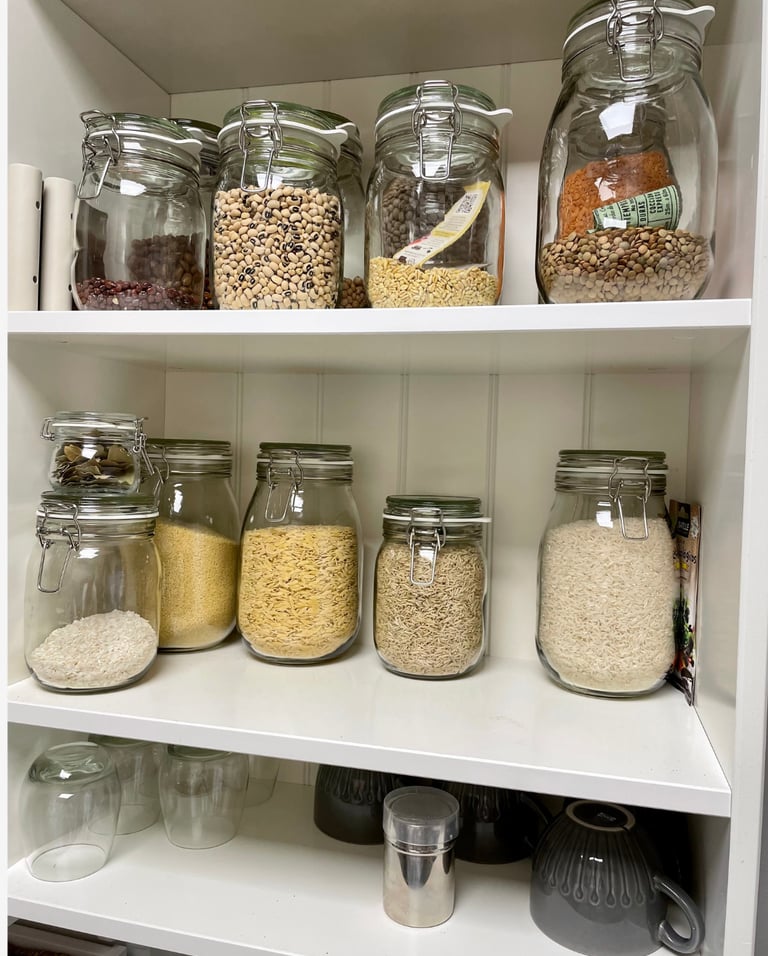
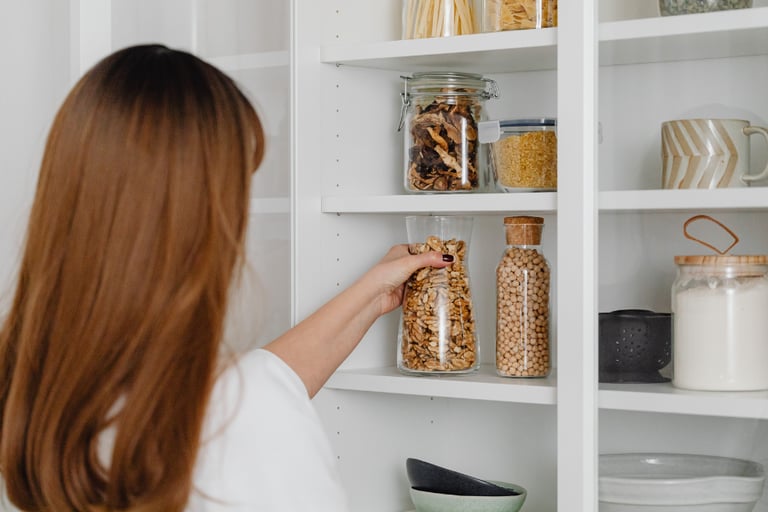
The most effective way to save money on groceries is to begin at home. Before heading to the store, review the fridge, freezer, and pantry shelves. This prevents duplicate purchases and helps plan meals around what is already available.
Plan menus based on what you find in the fridge and pantry, then create a shopping list to complement the menu planner
2. Plan Meals Around Sales and What You Already Have
Next Planning meals around grocery store discounts and combining them with what is already in your fridge or pantry is a practical strategy for saving money on groceries. Instead of starting with a recipe list and then shopping full price, let sales guide your menu and fill in with ingredients you already have at home.
Having a plan also helps cut down on impulse purchases and spontaneous takeout.
3. Find stores with real discounts
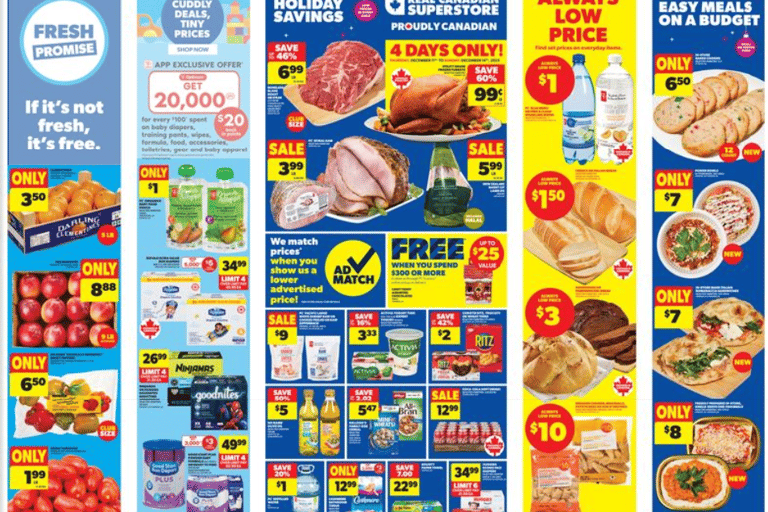
Next step to save money on groceries is to look for stores that run weekly specials or discount programs. You can spot these deals in local flyers, physical papers, or through simple apps that gather promotions in one place. I’ve been doing this consistently, and the results are incredible — at one point I cut my grocery costs by $400 in a single month.
Isn’t it amazing how a simple focus on discounts can turn into hundreds of dollars saved each month?
4. Make a grocery list and stick to it
Lists are like guardrails — they keep your budget safe!
Impulse buys are the fastest way to overspend. A detailed list is one of the most reliable ways to save money on groceries, keeping focus on essentials and preventing unnecessary spending. Lists built around weekly flyers and pantry inventory help to reduce the grocery bill consistently.
5. Buy Fresh Produce at the Right Time
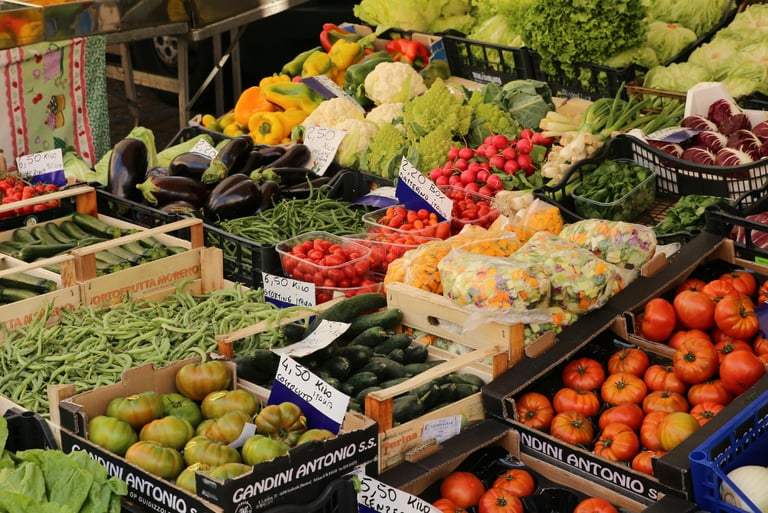
Seasonal fruits and vegetables are cheaper, fresher, and more flavorful. When prices drop, it’s the perfect moment to stock up. Slice and freeze fruit for smoothies, turn berries into jam, or can tomatoes so you’ll have them ready long after the harvest ends.
This approach keeps meals varied and helps with saving money on groceries throughout the year. Instead of paying higher prices later, you’ll already have affordable, healthy options waiting at home.
6. Always Compare Price Per Unit
The price tag does not always tell the full story. Looking at the unit price whether per kilogram, per liter, or per item shows the real value and helps you keep your grocery shopping on budget. This habit makes it easier to spot which option truly saves money on groceries and ensures your grocery budget stretches further.
7. Buy in Bulk When Practical
Large packs can unlock big savings when used wisely. Staples like rice, beans, pasta, or frozen vegetables often cost less per unit when bought in bulk. This approach helps you save money on food, reduces the number of shopping trips, and keeps your grocery budget steady. The key is to stay practical and only buy what you know your household will use before it expires.
8. Save Money on Groceries by Eating More Eggs
Eggs are a budget‑friendly powerhouse when it comes to saving money on food. Packed with protein and versatile enough for breakfast, lunch, or dinner, they’re often cheaper than most meats yet just as satisfying.
Think beyond scrambled: soft‑boiled eggs over thick buttered toast with wilted garlicky greens is comfort food at its finest. Or whip up a frittata with leftover vegetables, fried rice with eggs as the protein, or a simple shakshuka simmered in tomato sauce. Each dish stretches your grocery budget while keeping meals nourishing and flavorful.
By leaning on eggs as a staple, you can cut down on pricier proteins, reduce food waste by pairing them with fridge leftovers, and keep your weekly meal plan affordable without sacrificing taste.
9. Avoiding Pre Packaged Foods
Pre cut vegetables, frozen dinners, and ready to eat meals may look convenient, but they often cost more than cooking from scratch. Preparing food yourself is a reliable method for saving money on groceries while keeping meals wholesome.
Cooking at home lowers the cost per meal, gives you control over ingredients, and provides healthier options for your family. Buying whole produce and chopping it yourself, for example, is far cheaper than paying for pre cut packs
10. Avoiding Shopping While Hungry
Walking into a store on an empty stomach almost guarantees impulse purchases. When you are hungry, everything looks tempting, and it is easy to toss extra snacks or convenience foods into your cart without thinking about your grocery budget.
Eating a meal or even a small snack before shopping helps you stay focused on your list and keeps your grocery shopping on budget. This simple habit reduces unnecessary spending and prevents food waste
11. Choosing Store Brands
Generic or store brand products often deliver the same everyday use as name brands but at a lower cost. Items like rice, pasta, canned vegetables, and household basics are usually priced more affordably, making them a smart choice for your grocery budget. Switching to these options helps keep your grocery shopping on budget
12. Review Your Receipt Before Leaving
It only takes a minute to look through your grocery receipt, and that quick check can save you from paying more than you should. With a cart full of items, mistakes happen. Sometimes an item is scanned twice, or the sale price does not register.
I had this happen with a package of lamb leg. It was on sale for $5/lb, but the receipt charged $12.99/lb instead. That difference was too big to ignore. I went straight to customer service, and not only did they correct the mistake, they also gave me a $10 gift card as an apology.
That quick glance at your receipt can turn into real savings. Big smile!
13. Batch Cooking at Home
Cooking large portions of staples like shredded chicken or slow cooked BBQ chicken means you always have ready to go options in your freezer. This reduces the temptation to spend on last minute takeout and stretches your grocery budget further. By dividing meals into portions, you make sure the food and the money you spent on it lasts longer and supports your goal of consistent saving money on grocery tips.
14. Use Loyalty Programs and Rewards
Saving money on groceries gets easier when you tap into loyalty programs and rewards.
Grocery chains, supermarkets, and even local stores often offer points systems, membership discounts, or cashback programs that give you something back every time you shop.
Whether it’s earning points toward free groceries or collecting cashback dollars, these programs directly reduce your grocery bill. Over time, they can stretch your grocery budget further and become one of the most practical ways to save money on food while keeping your grocery shopping on budget.
15. Organizing the Fridge, Freezer and Pantry
An organized fridge and freezer help you save money on groceries by reducing waste and avoiding duplicate purchases. Keep older items at the front, label leftovers with dates, and group similar foods together. This way you use what you already have, plan meals more easily
Takeaway
Saving money on groceries is about living small choices in everyday life. It is noticing the receipt, choosing food that is in season, keeping the pantry and fridge neat, and finding comfort in simple staples. These moments build into ease for the budget and a calmer home. The feeling of seeing the savings grow is steady and reassuring.
Happy Saving and Organizing!